What to Wear on a Desert Safari in Dubai
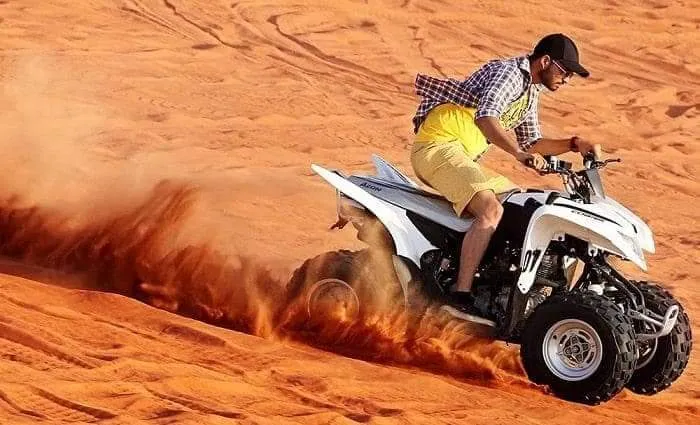
Ordinary casual clothing works fine for most desert activities — closed shoes are the one upgrade worth making.
Key Takeaways
- Light, breathable and modest clothing works best by day, in every season.
- Closed shoes beat sandals for sandboarding, quad biking and walking on dunes.
- Bring a light jacket for cool desert evenings — even in summer, and especially in winter.
- Mid-tone, solid colours hide dust better and photograph better than white or busy prints.
The Short Version: What to Wear, Activity by Activity
Short answer: breathable layers you can adjust through the day, closed shoes for any activity off the vehicle, and a jacket for after dark — the specifics shift slightly by season, but this base kit covers every Dubai Safaris tour.
| Activity | What works best |
|---|---|
| Dune bashing | Any closed shoe (you stay seated); avoid loose scarves near open windows |
| Camel ride | Trousers or long shorts; closed shoes or back-strap sandals |
| Sandboarding | Closed, laced shoes — sand gets everywhere in open footwear |
| Quad biking | Trousers, closed shoes, clothes you don't mind getting dusty |
| Camp dinner & shows | Whatever you're already wearing — no change needed, modest coverage appreciated |
| Overnight stay | Add a warm layer and a change of clothes for the morning |
Daytime Essentials, Whatever the Season
For morning and sunrise safaris, wear light, loose, breathable clothing — cotton or linen in neutral or mid-tone colours. Sunglasses, a hat and SPF are must-haves; the desert sun is strong even in the cooler early hours, and there's little shade beyond the vehicle and camp structures.
Weather by Season: What Actually Changes
Short answer: summer (June-September) is hot by day and only moderately cooler at night; winter (November-March) is warm by day and genuinely cold after dark, especially on overnight stays.
In summer, daytime temperatures on the dunes regularly exceed 40°C, but our tour timings are built around this — morning and sunrise departures beat the worst heat, and evening departures start as the sun is dropping. Even so, nights only cool to the high 20s in peak summer, so a light layer is enough for an evening tour, though not strictly necessary.
In winter, daytime highs sit in the comfortable mid-20s, but desert nights can drop into the low teens or lower — a real jacket, not just a light layer, matters here, particularly on our overnight safari where you're outdoors well after midnight for stargazing. Spring and autumn (April-May, October) sit comfortably between the two extremes and are widely considered the best all-round months to visit.
Evening and Overnight Specifics
Desert evenings cool quickly once the sun is down, particularly on overnight safaris in winter. Bring a light jacket or shawl regardless of season — you can always leave it in the vehicle if you don't need it. Long, comfortable trousers are ideal for sitting at camp, and a warm layer is essential if you're staying the night, since desert temperatures can drop noticeably between dinner and the early morning hours.
Footwear: the One Thing Worth Getting Right
Short answer: closed shoes or trainers are the single most useful item you can pack — they keep sand out, give grip for sandboarding and quad biking, and work fine for every other activity too.
If you love sandals for photos, wear them for the camel ride and camp, but pack trainers for sandboarding and quad biking specifically — open footwear fills with sand within seconds on both. A back-strap sandal is the acceptable middle ground if you really don't want to pack two pairs.
Camera and Photography-Friendly Outfit Tips
Short answer: solid, warm-toned or flowing fabrics photograph best against sand and sunset light; pure white and busy prints tend to overexpose or clash in golden-hour shots.
Deep oranges, rust, olive, deep blue and burgundy all read beautifully against the dunes' warm palette, particularly at sunrise or sunset. If a specific photo moment matters to you — an engagement shoot, a family portrait at camp — coordinate your group's colours loosely rather than matching exactly, and avoid stark white, which tends to blow out in strong desert light. See our camel ride guide for more on timing photos around golden hour specifically.
Family, Children's and Senior Traveller Clothing Advice
Children benefit from the same closed-shoe rule as adults, plus a hat and sun-safe layer, since they tend to spend more time out of the vehicle at camp than adults do. Seniors or anyone with mobility concerns should prioritise shoes with good grip over style, particularly for camel-ride mounting and dismounting — see our family desert safari guide for broader planning advice by age group.
Cultural Considerations
Modest clothing that covers shoulders and knees is respectful, especially at camps with cultural performances and around Emirati staff. This isn't a strict rule for tourists, but it's a small gesture of respect that's easy to plan for — learn more in our guide to traditional dress in the UAE.
First-Time Visitor Mistakes to Avoid
- Wearing brand-new shoes straight out of the box. Sand finds every unbroken-in seam — wear shoes you've already walked in.
- Packing only summer clothes for a winter evening or overnight trip. Many first-timers underestimate how cold desert nights get outside of June-September.
- Bringing a large, heavy bag rather than a light day bag. Vehicles have limited storage; a small bag for essentials is far more practical.
- Wearing loose, flowing scarves near open dune-bashing windows — secure or skip them until you're at camp and stationary.
Money-Saving Packing Tips
You don't need to buy safari-specific gear — clothes you already own in the right fit and fabric cover everything on this list. The one purchase worth making if you don't already own it is a pair of proper closed trainers; renting or borrowing sandboards and quad-bike safety gear is already included in your tour price.
What We Provide vs What to Bring Yourself
- Helmets and goggles for quad biking
- Sandboards
- Bedding for overnight stays
- Water throughout every tour
- Personal clothing and shoes
- Sunscreen and sunglasses
- Camera or phone protection
- A change of clothes for overnight stays
What Not to Wear
Short answer: skip delicate fabrics, expensive jewellery, high heels or flip-flops, and anything you'd be upset to see dusty or sand-damaged — the desert is genuinely hard on clothing and accessories.
A few specific things to leave at the hotel: silk or other delicate fabrics that snag and stain easily in sand and grease from the vehicle; loose or dangling jewellery, which can catch on seatbelts or camel-ride equipment; high heels or flip-flops, both impractical the moment you step off firm ground; and any clothing you'd genuinely mind ruining, since fine sand works into fabric in a way that doesn't always wash out completely. If you're bringing a nice camera or phone, a simple protective case or dry bag is worth packing — sand and dust get into ports and buttons faster than people expect.
A Complete Packing Checklist
Short answer: beyond clothing, five small items make the biggest practical difference on a desert safari — sunglasses, sunscreen, a light jacket, closed shoes and a portable charger.
- Closed shoes or trainers
- Light, breathable top layer
- Sunglasses and a hat
- Sunscreen (reapplied if staying past midday)
- A light jacket or shawl for after dark
- Cash for tips and any extras at camp
- A portable phone charger (many camps have limited outlets)
- A small bag or dry pouch for your phone or camera
None of this needs to be bought specially — it's almost entirely things most travellers already have packed for a Dubai trip generally, with closed shoes being the one item worth double-checking before you leave your hotel room.
Frequently Asked Questions
Should I wear sandals or closed shoes?
Is it cold in the desert at night?
Do I need to dress modestly for a desert safari?
What shoes are best for dune bashing?
Can I wear white or light-coloured clothing?
What should I wear for the best desert safari photos?
Should I bring jewellery or a nice watch?
Will my clothes get ruined by sand?
Ready to Book Your Desert Safari?
Instant confirmation, free hotel pickup and free cancellation up to 24 hours before.